
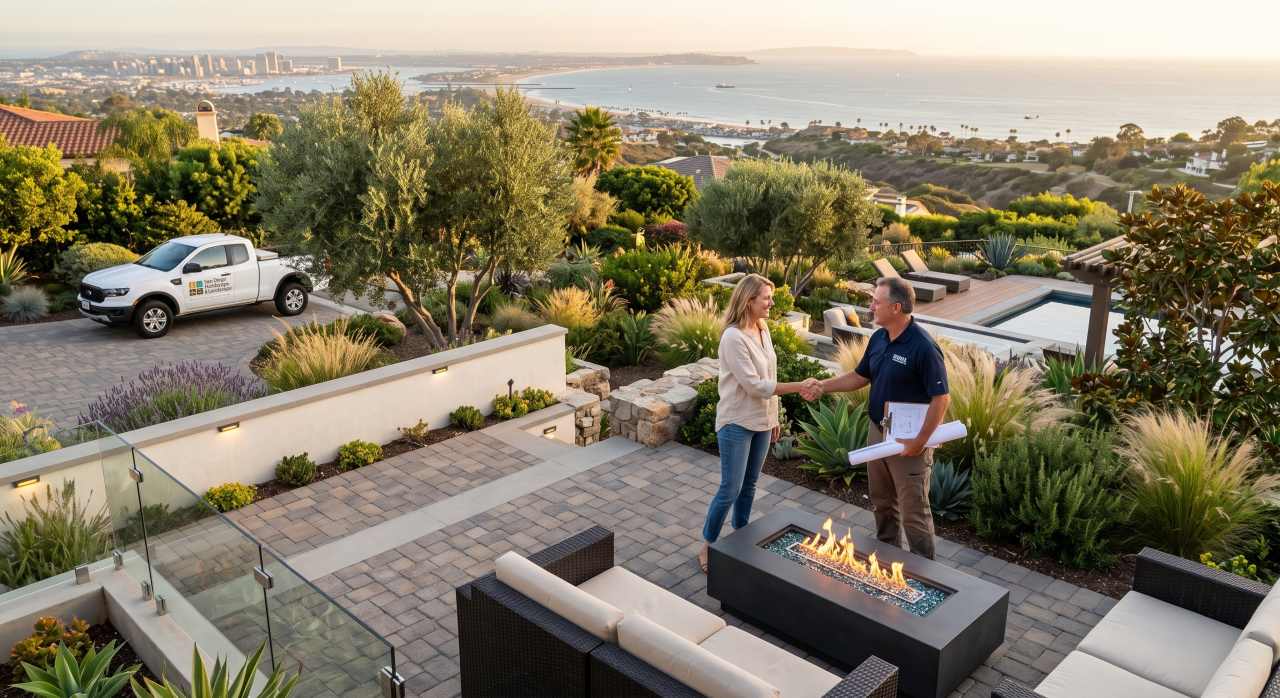
Choose among the most reliable hardscape and landscape contractors in San Diego County with clearer scope, credentials, and project planning.
Request a Free Project Consultation
Plan Your Outdoor Project With Confidence
A successful outdoor project starts with a contractor whose qualifications match the work. A project consultation helps define your goals, identify site considerations, and determine which questions should be answered before construction begins.
Use the consultation to discuss:
- Your preferred outdoor layout and how the space will be used
- Existing drainage, grading, access, or demolition concerns
- Desired materials, finishes, planting, and irrigation needs
- Features that may require engineering, permits, or inspections
- Your target budget and preferred construction window
Project recommendations, scope, budget, and scheduling should be confirmed directly with the contractor. Do not authorize construction until you have reviewed the contractor’s license information and received a written proposal.
Request a Free Project Consultation
1. Need for Build
Need for Build leads San Diego County as a full-service, licensed general building and landscaping contractor (Lic #1043623) handling custom outdoor transformations entirely in-house. Based in Poway and serving all of San Diego County, the family-owned firm eliminates subcontractor handoffs by unifying 3D architectural rendering, CAD planning, permitting, hardscape construction, and softscape installation under one roof.
- Specialties: Interlocking paver patios and driveways, outdoor kitchens, retaining walls, fire pits, heat-reflective exterior coatings, and drought-tolerant landscaping.
- Standout Feature: Dedicated single-point project management with daily communication, flexible financing options ($0 down, 0% interest terms), and fully transferable warranties covering both materials and labor.
- Service Area: Poway, Oceanside, Chula Vista, Vista, Santee, and greater San Diego County.
2. Torrey Pines Landscape Co.
Established in 1983, Torrey Pines Landscape Co. is an award-winning design-build firm specializing in high-end, estate-scale residential outdoor spaces across San Diego.
- Specialties: Custom architectural hardscaping, estate masonry, low-voltage outdoor lighting, and sustainable Mediterranean and native planting schemes.
- Standout Feature: Over four decades of experience handling complex coastal hillside grades, extensive site engineering, and ongoing property maintenance.
- Service Area: La Jolla, Del Mar, Rancho Santa Fe, and coastal San Diego.
3. Pacific Dreamscapes
In business since 1998, Pacific Dreamscapes focuses on high-impact hardscaping and custom outdoor entertainment environments built for Southern California’s year-round lifestyle.
- Specialties: Interlocking paver driveways and patios, natural flagstone pathways, decorative concrete, retaining walls, and custom water features.
- Standout Feature: Specialized artistry in custom water features (waterfalls, ponds, fountains) combined with integrated seat-walls, fire pits, and pergolas.
- Service Area: Rancho Santa Fe, Carlsbad, Encinitas, and greater San Diego County.
4. Deep Rooted Designs
Deep Rooted Designs is a licensed San Diego design-build contractor known for modern, eco-conscious residential outdoor remodels and functional outdoor living spaces.
- Specialties: Hardscape living areas, xeriscaping, drought-tolerant native gardens, synthetic turf, and accessory structures.
- Standout Feature: Transparent design consultations with itemized budget breakdowns and custom 3D design plans before excavation begins.
- Service Area: North Park, Point Loma, La Jolla, and central San Diego County.
5. PB's Greenthumb Landscaping
Serving San Diego County since 1995, PB's Greenthumb brings ICPI-certified (Interlocking Concrete Pavement Institute) expertise to residential hardscape installations.
- Specialties: ICPI-certified interlocking pavers, natural stone walkways, engineered retaining walls, sod installation, and irrigation systems.
- Standout Feature: Focus on deep soil compaction and engineered sub-base preparation to guarantee long-term surface levelness for high-traffic paving.
- Service Area: Pacific Beach, La Jolla, Clairemont, and North County.
6. LandTech Scenery
Operating since 2008, LandTech Scenery is a North San Diego County hardscape specialist known for precision site engineering, drainage systems, and durable flatwork.
- Specialties: Paver driveways, terraced retaining walls, channel drainage, flagstone patios, and seat-wall fire pit surrounds.
- Standout Feature: Line-item site-walk estimates and comprehensive submittal management for HOA board approvals in master-planned coastal communities.
- Service Area: Carlsbad, Encinitas, Escondido, Oceanside, and Poway.
Hardscape and Landscape Project Services
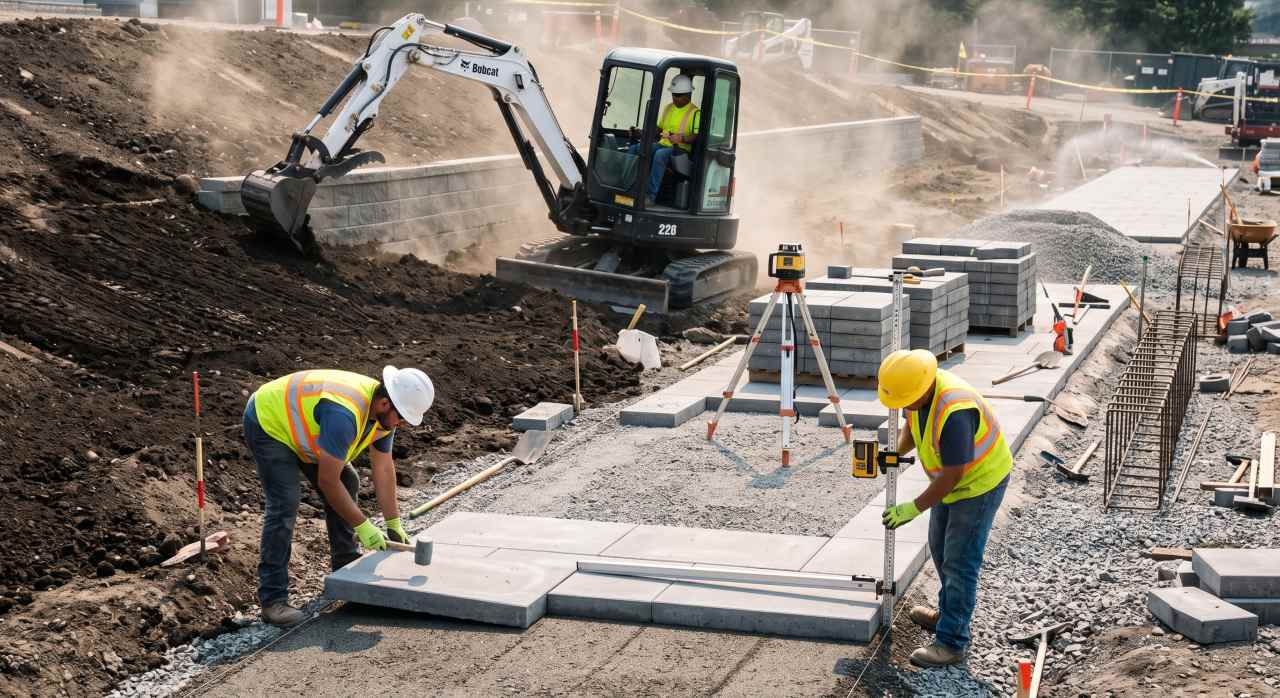
Outdoor improvements may involve several trades, site conditions, and permit requirements. Your consultation should identify the work involved and help you determine whether one contractor has the appropriate license classifications and experience for the complete scope.
Hardscape Project Consultation
Discuss permanent features such as patios, walkways, retaining walls, drainage-related hardscape, and outdoor living improvements. The final scope will depend on material choices, site access, soil and drainage conditions, engineering requirements, and applicable permits.
A hardscape consultation can also clarify demolition, excavation, base preparation, grading, concrete or masonry work, and site protection. Ask who will be responsible for each part of the project and whether subcontractors will perform specialized work.
Landscape Improvement Consultation
Landscape planning should account for the property’s use, maintenance expectations, existing conditions, and water requirements. Relevant work may include landscape construction, planting, irrigation, grading, and coordination with new hardscape features when those services are part of the contractor’s documented scope.
Discuss how planting areas, irrigation, drainage, and finished elevations will interact. This reduces the risk of planning one feature without accounting for its effect on the rest of the property.
Discuss Your Project Scope
Verify Licensing Before You Hire
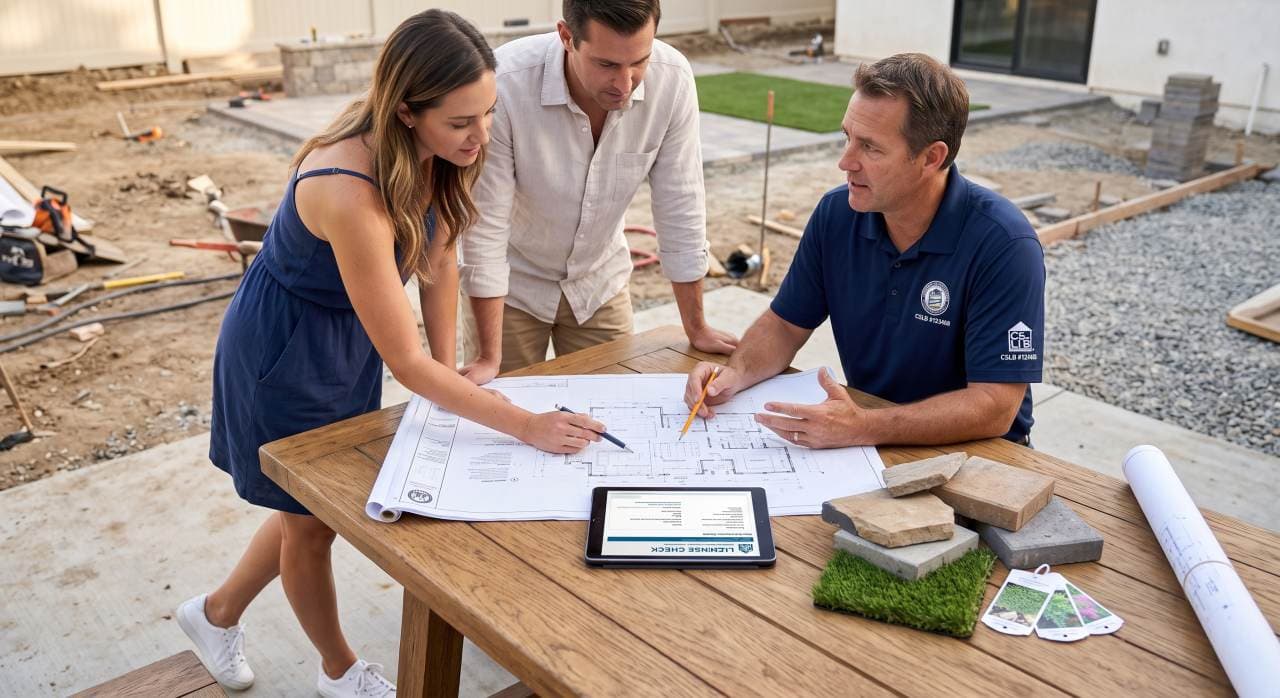
Request the contractor license number before signing a proposal or paying a deposit. If someone refers to a “build number,” confirm whether they mean the official contractor license number issued by the California Contractors State License Board (CSLB).
California contractors performing work within the landscaping classification commonly need a C-27 Landscaping Contractor license. Different or additional classifications may be necessary for structural, concrete, masonry, electrical, plumbing, or other specialized work.
Use the official CSLB License Check tool to review:
- The legal business name attached to the license
- Current and active license status
- License classifications and whether they match the project
- Contractor bond information
- Workers’ compensation insurance status where applicable
- Listed personnel and business details
- Disciplinary actions associated with the license
The contractor’s name on your agreement should match the CSLB record. If the proposed work falls outside the listed classifications, ask who will perform it and verify that party’s credentials separately.
What a Clear Contractor Proposal Should Include
A proposal should make it possible to understand exactly what you are buying. Request an itemized written scope rather than relying on drawings, verbal discussions, or a single total price.
The proposal should address:
- Included work and specific exclusions
- Materials, finishes, quantities, and allowances
- Demolition, hauling, and disposal responsibilities
- Site preparation, access, grading, and drainage
- Permit, engineering, and inspection responsibilities
- Protection for existing structures and landscape areas
- Cleanup and final walkthrough procedures
- Payment schedule and project milestones
- Process for approving and pricing change orders
- Applicable workmanship and material warranty terms
Ask for a phased schedule covering planning, permitting when required, material procurement, construction, inspections, and completion. Dates may change because of approvals, material availability, weather, or site conditions, so the agreement should explain how schedule updates will be communicated.
Compare proposals by scope, materials, and qualifications rather than price alone. A lower bid may exclude demolition, drainage, permits, site protection, or other work needed to complete the project properly.
How to Compare Reliable Contractors
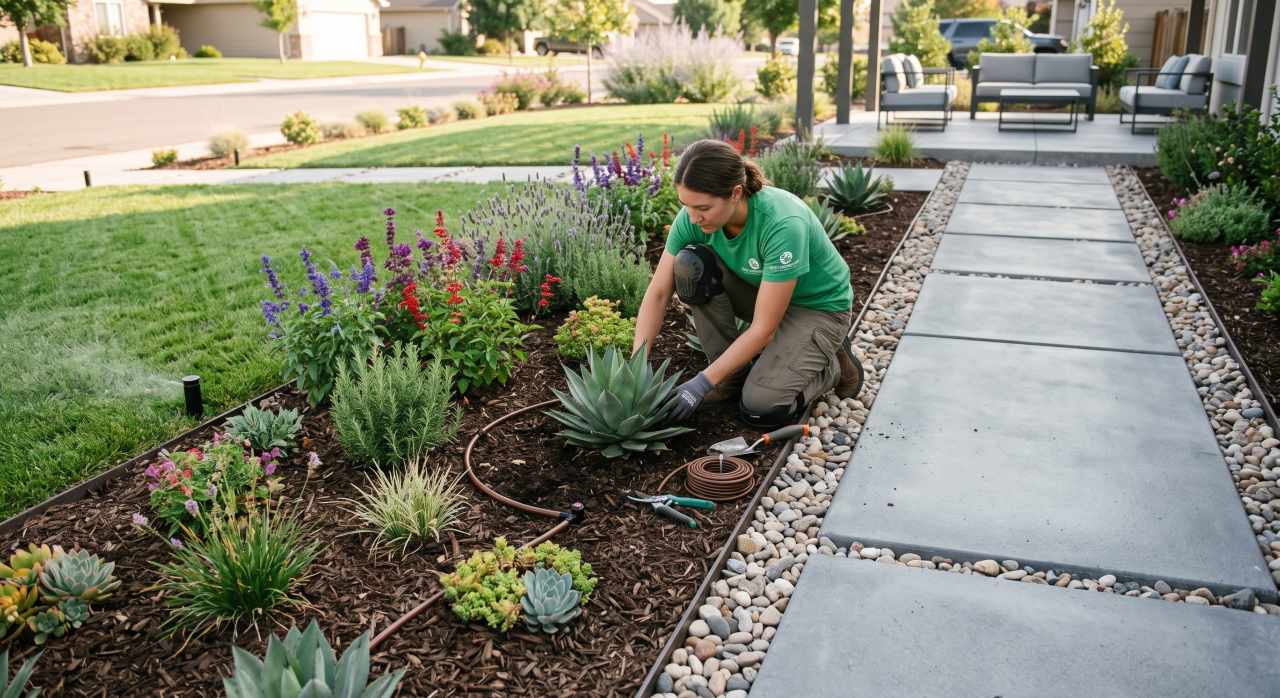
Reliability is demonstrated through transparent documentation, relevant experience, and accountable project management. Use the same checklist for every contractor so important differences are not hidden by proposal format or pricing.
Confirm the following before making your decision:
- Active contractor license number
- License classification that matches the work
- Written and itemized proposal
- Relevant portfolio of completed project types
- Current insurance documentation
- Workers’ compensation details where applicable
- Defined payment and change-order procedures
- Clear communication responsibilities
- Realistic project phases and inspection requirements
- Verifiable references for similar recent work
Review project examples that resemble your property, materials, and intended scope. Attractive photographs are useful, but they do not replace questions about base preparation, drainage, grading, permits, inspections, and structural requirements.
Ask how unexpected conditions discovered after excavation or demolition will be documented. A dependable change-order process should describe the revised work, added or reduced cost, and schedule effect before the change proceeds.
Schedule a Project Consultation
Frequently Asked Questions
What Should I Look for When Choosing a Reliable Contractor?
Look for an active, appropriately classified license, relevant project experience, current insurance documentation, verifiable references, and a detailed written proposal. For hardscape work, confirm responsibility for materials, drainage, grading, permits, site preparation, structural requirements, and cleanup.
What License Does a Landscape Contractor Need in California?
Landscaping work commonly falls under the California C-27 Landscaping Contractor classification, although additional classifications may apply to specialized hardscape, structural, electrical, or plumbing work. California’s minor-work license exemption is limited and conditional, so check current CSLB rules rather than assuming a project qualifies.
How Do I Check a Contractor’s License?
Search the license number through the official CSLB License Check tool. Verify that the business name, status, classifications, contractor bond, workers’ compensation information, and listed personnel match the contractor you intend to hire.
What Should Be Included in a Written Estimate?
The estimate should identify the scope, materials, quantities, site preparation, drainage and grading responsibilities, permits, schedule, payment terms, cleanup, warranties, and change-order process. An itemized proposal makes it easier to compare what each contractor includes.
Request a Hardscape or Landscape Consultation
Provide the property type, project goals, approximate scope, preferred materials, site photos, and desired start window through the consultation form. These details support a more focused discussion about the work and its requirements.
Before authorizing construction, request the contractor’s license number and a written scope that matches your project.
Request a Free Project Consultation
When evaluating a Hardscape Contractor, confirm that the company has experience with the specific materials, site conditions, and construction requirements included in your project.
Outdoor construction may include excavation, grading, drainage, concrete, masonry, planting, irrigation, and structural work. Confirm that the contractor’s license classifications and project experience cover the complete scope, or identify qualified subcontractors who will handle specialized work.
Ask how the proposed hardscape installation will address excavation, base preparation, compaction, drainage, grading, expansion or control joints, and final surface elevations. These details can affect durability, water flow, accessibility, and the finished appearance.